Tag: computer software

  • Software License Types Explained for Everyday Users

    Software License Types Explained for Everyday Users

    Software license types is easier to manage when software decisions are treated as part of system maintenance rather than as one-click installation. Programs interact with operating systems, files, accounts, permissions, hardware, updates, and other software, so one small change can affect stability, privacy, and compatibility.

    This guide explains software license types in practical language for everyday users. The examples are general and may differ between Windows, macOS, Linux, mobile platforms, and individual publishers, so use the official documentation for the software and operating system you actually use.

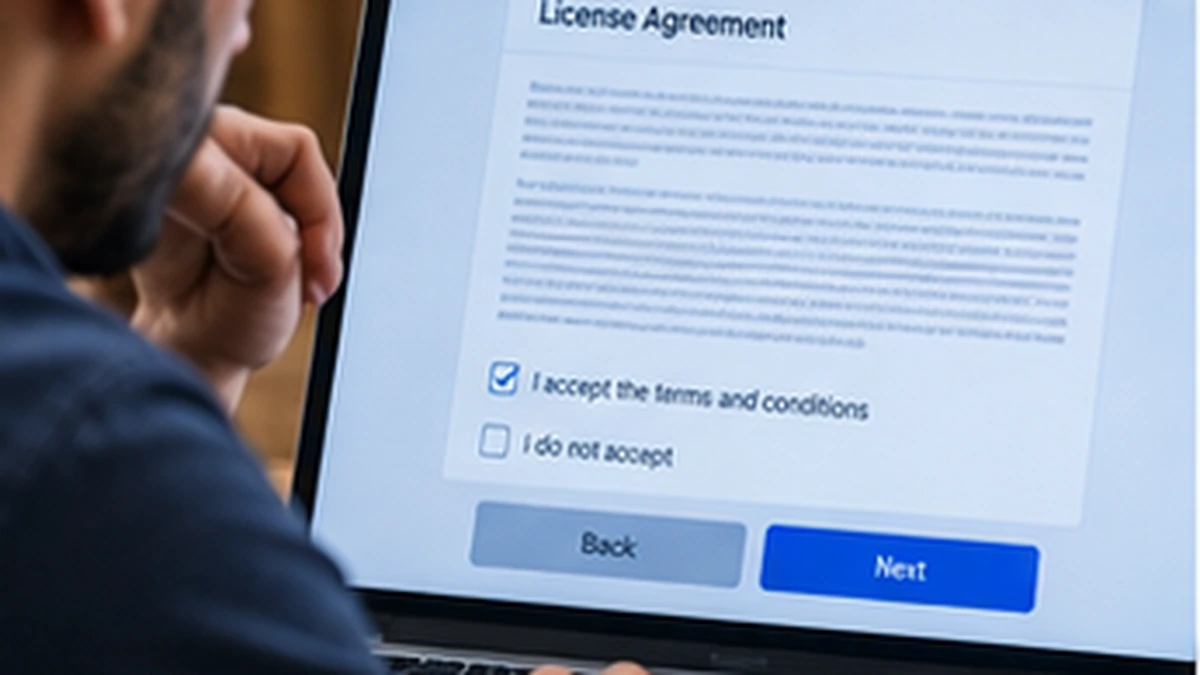
    Software license types define what users may do

    A license can control installation, copying, modification, redistribution, number of devices, commercial use, subscription terms, and other rights.

    For software license types, apply this point to one real program on your device. Record the publisher, version, operating system, source, and the setting or file involved. This turns the idea into a repeatable software check instead of relying on memory. Section review 1.

    Proprietary licenses often grant limited use rights

    A proprietary license usually allows use under the publisher conditions while restricting source access, redistribution, or modification.

    For software license types, apply this point to one real program on your device. Record the publisher, version, operating system, source, and the setting or file involved. This turns the idea into a repeatable software check instead of relying on memory. Section review 2.

    Open-source licenses grant broader freedoms

    OSI-approved open-source licenses satisfy the Open Source Definition and permit use, modification, and redistribution under their specific terms.

    For software license types, apply this point to one real program on your device. Record the publisher, version, operating system, source, and the setting or file involved. This turns the idea into a repeatable software check instead of relying on memory. Section review 3.

    Permissive open-source licenses are relatively flexible

    Licenses such as MIT, BSD, and Apache allow broad reuse while imposing a smaller set of conditions than strong copyleft licenses.

    For software license types, apply this point to one real program on your device. Record the publisher, version, operating system, source, and the setting or file involved. This turns the idea into a repeatable software check instead of relying on memory. Section review 4.

    Copyleft licenses add sharing obligations

    Some licenses require derivative or distributed works to remain under compatible terms when certain conditions are met.

    For software license types, apply this point to one real program on your device. Record the publisher, version, operating system, source, and the setting or file involved. This turns the idea into a repeatable software check instead of relying on memory. Section review 5.

    Freeware and open source are not the same thing

    Freeware can be proprietary software distributed at no charge while still providing no right to inspect or modify source code.

    For software license types, apply this point to one real program on your device. Record the publisher, version, operating system, source, and the setting or file involved. This turns the idea into a repeatable software check instead of relying on memory. Section review 6.

    Shareware and trial licenses limit use differently

    A product may be usable for a limited time, with reduced features, or for evaluation only before payment is required.

    For software license types, apply this point to one real program on your device. Record the publisher, version, operating system, source, and the setting or file involved. This turns the idea into a repeatable software check instead of relying on memory. Section review 7.

    Subscription licenses depend on ongoing entitlement

    Cloud-connected or subscription software may stop premium features or updates when the subscription ends.

    For software license types, apply this point to one real program on your device. Record the publisher, version, operating system, source, and the setting or file involved. This turns the idea into a repeatable software check instead of relying on memory. Section review 8.

    Device and user limits matter

    A license may allow one computer, several personal devices, a named user, a household, a team, a site, or another scope.

    For software license types, apply this point to one real program on your device. Record the publisher, version, operating system, source, and the setting or file involved. This turns the idea into a repeatable software check instead of relying on memory. Section review 9.

    Read the actual license when rights matter

    Marketing summaries are not the contract. Developers and organizations redistributing software should review the license text carefully.

    For software license types, apply this point to one real program on your device. Record the publisher, version, operating system, source, and the setting or file involved. This turns the idea into a repeatable software check instead of relying on memory. Section review 10.

    A deeper review for software license types

    Think about the full software lifecycle: where the program comes from, what it needs to run, what data it creates, how it updates, how it can be recovered, and how it can be removed. A program is easier to trust and maintain when those stages are understood before something goes wrong. Software review note 6 for software license types.

    Also identify the dependency that would create the biggest disruption if it failed. That could be a plug-in, account login, license server, hardware driver, project file, cloud service, or old operating-system feature. For software license types, protecting the most important dependency is often more useful than adding more software.

    A realistic software example

    A user installs or upgrades an important program and later discovers a compatibility or data problem. Instead of making random changes, the user checks the source, system requirements, version, recent updates, local data, and recovery options in order. The problem becomes easier to isolate because software license types is connected to evidence rather than guesswork.

    Connect this guide to the rest of the software site

    Read open source vs proprietary software for one related software topic, and use software buying safety when the second guide helps you check compatibility, safety, installation, or recovery.

    These internal links connect the first Software batch so readers can move from installation and requirements to licensing, updates, troubleshooting, and safety without repeating the same article.

    A seven-day practice plan for software license types

    Day 1: choose one important program. Day 2: record its publisher, version, license, and requirements. Day 3: identify where data and settings are stored. Day 4: review the official update and uninstall process. Day 5: verify the installer or download source. Day 6: test one backup or recovery step. Day 7: write a short checklist you could use again for another program. Software review note 6 for software license types.

    You do not need a full week for every program. The sequence is a framework that helps you avoid skipping safety, compatibility, or recovery just because installation appears simple.

    Practical checklist

    • Purpose of software license types identified
    • Publisher and download source verified
    • System requirements checked
    • Permissions and dependencies reviewed
    • Important files or settings backed up
    • Update and uninstall path understood
    • License or subscription terms recorded
    • Recovery or rollback option considered

    Use the checklist to find the weakest part of your understanding of software license types. One missing backup, unsupported plug-in, or unverified installer can matter more than several settings you already understand.

    Frequently Asked Questions

    Should I install software from any site that offers the correct filename?

    No. Prefer the official publisher, trusted app store, or known repository. A correct-looking filename does not prove the package has not been modified.

    Do updates always make software safer?

    Updates often fix security and compatibility problems, but important workflows should still be backed up and tested because major releases can change features or plug-in support.

    Does uninstalling software remove all my data?

    Not always. Documents, profiles, subscriptions, cloud data, and settings can remain. Check the publisher removal documentation when complete cleanup matters.

    Where should I verify software information?

    Use the publisher, operating-system vendor, open-source project, or another authoritative source. Generic download pages should not replace official requirements or security guidance.

    Practical review 1 for software license types

    Open the software official documentation and compare it with what is actually installed on your device. Confirm version number, operating-system support, update channel, license status, and where user data is stored. If one detail is uncertain, resolve it before making a major change. Software review note 24 for software license types.

    Then write one failure scenario for software license types and the recovery step you would use. A useful software plan should answer not only how to install or use the program, but how to recover files, settings, or a working version when something fails. Software review note 1 for software license types.

    Practical review 2 for software license types

    Open the software official documentation and compare it with what is actually installed on your device. Confirm version number, operating-system support, update channel, license status, and where user data is stored. If one detail is uncertain, resolve it before making a major change. Software review note 25 for software license types.

    Then write one failure scenario for software license types and the recovery step you would use. A useful software plan should answer not only how to install or use the program, but how to recover files, settings, or a working version when something fails. Software review note 2 for software license types.

    Practical review 3 for software license types

    Open the software official documentation and compare it with what is actually installed on your device. Confirm version number, operating-system support, update channel, license status, and where user data is stored. If one detail is uncertain, resolve it before making a major change. Software review note 26 for software license types.

    Then write one failure scenario for software license types and the recovery step you would use. A useful software plan should answer not only how to install or use the program, but how to recover files, settings, or a working version when something fails. Software review note 3 for software license types.

    Practical review 4 for software license types

    Open the software official documentation and compare it with what is actually installed on your device. Confirm version number, operating-system support, update channel, license status, and where user data is stored. If one detail is uncertain, resolve it before making a major change. Software review note 27 for software license types.

    Then write one failure scenario for software license types and the recovery step you would use. A useful software plan should answer not only how to install or use the program, but how to recover files, settings, or a working version when something fails. Software review note 4 for software license types.

    Practical review 5 for software license types

    Open the software official documentation and compare it with what is actually installed on your device. Confirm version number, operating-system support, update channel, license status, and where user data is stored. If one detail is uncertain, resolve it before making a major change. Software review note 28 for software license types.

    Then write one failure scenario for software license types and the recovery step you would use. A useful software plan should answer not only how to install or use the program, but how to recover files, settings, or a working version when something fails. Software review note 5 for software license types.

    Authoritative resource to review

    For an authoritative reference related to this topic, review Open Source Initiative – OSI Approved Licenses. Use the source for the core principle, then follow the documentation for your exact software version and operating system.

    Final perspective

    Software license types becomes easier when software is treated as a maintained system rather than a disposable download. Verify the source, understand compatibility, protect important data, and keep a recovery path. Those habits reduce both security risk and wasted troubleshooting time.
  • How to Verify a Software Download Before You Run It

    How to Verify a Software Download Before You Run It

    Verify a software download is easier to manage when software decisions are treated as part of system maintenance rather than as one-click installation. Programs interact with operating systems, files, accounts, permissions, hardware, updates, and other software, so one small change can affect stability, privacy, and compatibility.

    This guide explains verify a software download in practical language for everyday users. The examples are general and may differ between Windows, macOS, Linux, mobile platforms, and individual publishers, so use the official documentation for the software and operating system you actually use.

    Verify a software download by checking the source first

    The strongest first check is whether the file came from the official publisher, trusted store, or known package repository.

    For verify a software download, apply this point to one real program on your device. Record the publisher, version, operating system, source, and the setting or file involved. This turns the idea into a repeatable software check instead of relying on memory. Section review 1.

    Compare the domain carefully

    Attackers can register look-alike domains or use advertising to promote fake download pages. Check spelling and navigate from the publisher main site where possible.

    For verify a software download, apply this point to one real program on your device. Record the publisher, version, operating system, source, and the setting or file involved. This turns the idea into a repeatable software check instead of relying on memory. Section review 2.

    Digital signatures can identify signed Windows files

    Microsoft documents Authenticode signatures as a way to obtain information about the signer of a file and whether the signature is valid.

    For verify a software download, apply this point to one real program on your device. Record the publisher, version, operating system, source, and the setting or file involved. This turns the idea into a repeatable software check instead of relying on memory. Section review 3.

    A valid signature does not make every program trustworthy

    A digital signature helps verify publisher identity and file integrity, but users should still evaluate the publisher and program behavior.

    For verify a software download, apply this point to one real program on your device. Record the publisher, version, operating system, source, and the setting or file involved. This turns the idea into a repeatable software check instead of relying on memory. Section review 4.

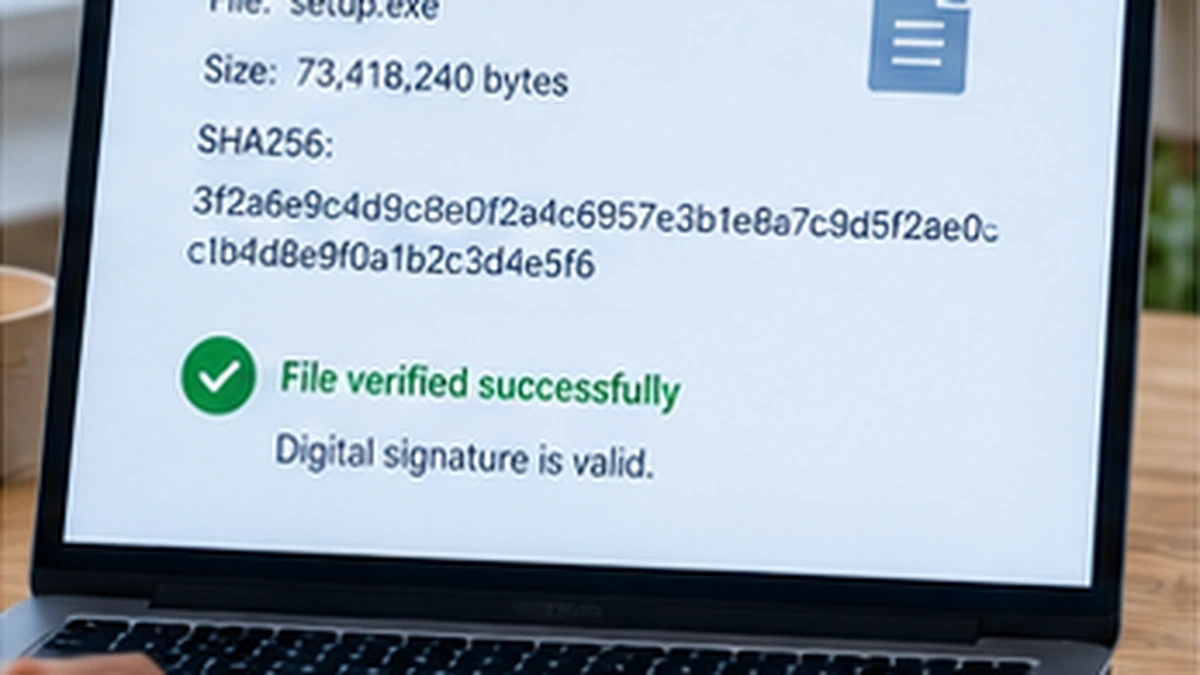
    Checksums can detect changed files

    When a publisher provides a SHA-256 hash, calculate the hash locally and compare the values exactly.

    For verify a software download, apply this point to one real program on your device. Record the publisher, version, operating system, source, and the setting or file involved. This turns the idea into a repeatable software check instead of relying on memory. Section review 5.

    File size and version provide extra clues

    A dramatically different size, unexpected filename, or old version can indicate that the wrong package was downloaded.

    For verify a software download, apply this point to one real program on your device. Record the publisher, version, operating system, source, and the setting or file involved. This turns the idea into a repeatable software check instead of relying on memory. Section review 6.

    Scan suspicious downloads before execution

    Operating-system security tools and reputable security products can inspect downloads. Do not disable warnings simply to make installation easier.

    For verify a software download, apply this point to one real program on your device. Record the publisher, version, operating system, source, and the setting or file involved. This turns the idea into a repeatable software check instead of relying on memory. Section review 7.

    Watch for unexpected administrator requests

    An installer that demands elevated privileges for a simple task deserves review. The request should match the program function.

    For verify a software download, apply this point to one real program on your device. Record the publisher, version, operating system, source, and the setting or file involved. This turns the idea into a repeatable software check instead of relying on memory. Section review 8.

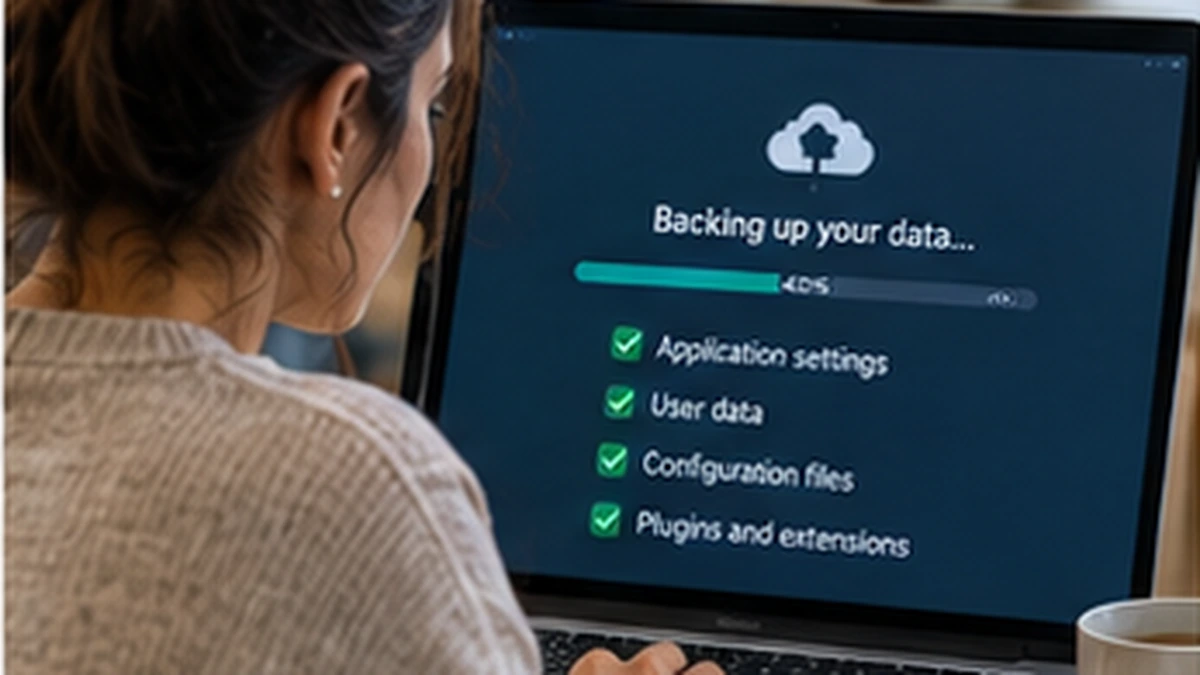
    Preserve verification information for important deployments

    Organizations can record the version, source URL, checksum, signature status, and date for software deployed to many devices.

    For verify a software download, apply this point to one real program on your device. Record the publisher, version, operating system, source, and the setting or file involved. This turns the idea into a repeatable software check instead of relying on memory. Section review 9.

    Do not run the file when verification fails

    If the signature, hash, publisher, or source does not match expectations, delete the file and obtain a fresh copy from the official source.

    For verify a software download, apply this point to one real program on your device. Record the publisher, version, operating system, source, and the setting or file involved. This turns the idea into a repeatable software check instead of relying on memory. Section review 10.

    A deeper review for verify a software download

    Think about the full software lifecycle: where the program comes from, what it needs to run, what data it creates, how it updates, how it can be recovered, and how it can be removed. A program is easier to trust and maintain when those stages are understood before something goes wrong. Software review note 7 for verify a software download.

    Also identify the dependency that would create the biggest disruption if it failed. That could be a plug-in, account login, license server, hardware driver, project file, cloud service, or old operating-system feature. For verify a software download, protecting the most important dependency is often more useful than adding more software.

    A realistic software example

    A user installs or upgrades an important program and later discovers a compatibility or data problem. Instead of making random changes, the user checks the source, system requirements, version, recent updates, local data, and recovery options in order. The problem becomes easier to isolate because verify a software download is connected to evidence rather than guesswork.

    Connect this guide to the rest of the software site

    Read choose software safely for one related software topic, and use update software safely when the second guide helps you check compatibility, safety, installation, or recovery.

    These internal links connect the first Software batch so readers can move from installation and requirements to licensing, updates, troubleshooting, and safety without repeating the same article.

    A seven-day practice plan for verify a software download

    Day 1: choose one important program. Day 2: record its publisher, version, license, and requirements. Day 3: identify where data and settings are stored. Day 4: review the official update and uninstall process. Day 5: verify the installer or download source. Day 6: test one backup or recovery step. Day 7: write a short checklist you could use again for another program. Software review note 7 for verify a software download.

    You do not need a full week for every program. The sequence is a framework that helps you avoid skipping safety, compatibility, or recovery just because installation appears simple.

    Practical checklist

    • Purpose of verify a software download identified
    • Publisher and download source verified
    • System requirements checked
    • Permissions and dependencies reviewed
    • Important files or settings backed up
    • Update and uninstall path understood
    • License or subscription terms recorded
    • Recovery or rollback option considered

    Use the checklist to find the weakest part of your understanding of verify a software download. One missing backup, unsupported plug-in, or unverified installer can matter more than several settings you already understand.

    Frequently Asked Questions

    Should I install software from any site that offers the correct filename?

    No. Prefer the official publisher, trusted app store, or known repository. A correct-looking filename does not prove the package has not been modified.

    Do updates always make software safer?

    Updates often fix security and compatibility problems, but important workflows should still be backed up and tested because major releases can change features or plug-in support.

    Does uninstalling software remove all my data?

    Not always. Documents, profiles, subscriptions, cloud data, and settings can remain. Check the publisher removal documentation when complete cleanup matters.

    Where should I verify software information?

    Use the publisher, operating-system vendor, open-source project, or another authoritative source. Generic download pages should not replace official requirements or security guidance.

    Practical review 1 for verify a software download

    Open the software official documentation and compare it with what is actually installed on your device. Confirm version number, operating-system support, update channel, license status, and where user data is stored. If one detail is uncertain, resolve it before making a major change. Software review note 29 for verify a software download.

    Then write one failure scenario for verify a software download and the recovery step you would use. A useful software plan should answer not only how to install or use the program, but how to recover files, settings, or a working version when something fails. Software review note 1 for verify a software download.

    Practical review 2 for verify a software download

    Open the software official documentation and compare it with what is actually installed on your device. Confirm version number, operating-system support, update channel, license status, and where user data is stored. If one detail is uncertain, resolve it before making a major change. Software review note 30 for verify a software download.

    Then write one failure scenario for verify a software download and the recovery step you would use. A useful software plan should answer not only how to install or use the program, but how to recover files, settings, or a working version when something fails. Software review note 2 for verify a software download.

    Practical review 3 for verify a software download

    Open the software official documentation and compare it with what is actually installed on your device. Confirm version number, operating-system support, update channel, license status, and where user data is stored. If one detail is uncertain, resolve it before making a major change. Software review note 31 for verify a software download.

    Then write one failure scenario for verify a software download and the recovery step you would use. A useful software plan should answer not only how to install or use the program, but how to recover files, settings, or a working version when something fails. Software review note 3 for verify a software download.

    Practical review 4 for verify a software download

    Open the software official documentation and compare it with what is actually installed on your device. Confirm version number, operating-system support, update channel, license status, and where user data is stored. If one detail is uncertain, resolve it before making a major change. Software review note 32 for verify a software download.

    Then write one failure scenario for verify a software download and the recovery step you would use. A useful software plan should answer not only how to install or use the program, but how to recover files, settings, or a working version when something fails. Software review note 4 for verify a software download.

    Practical review 5 for verify a software download

    Open the software official documentation and compare it with what is actually installed on your device. Confirm version number, operating-system support, update channel, license status, and where user data is stored. If one detail is uncertain, resolve it before making a major change. Software review note 33 for verify a software download.

    Then write one failure scenario for verify a software download and the recovery step you would use. A useful software plan should answer not only how to install or use the program, but how to recover files, settings, or a working version when something fails. Software review note 5 for verify a software download.

    Authoritative resource to review

    For an authoritative reference related to this topic, review Microsoft Learn – Get-AuthenticodeSignature. Use the source for the core principle, then follow the documentation for your exact software version and operating system.

    Final perspective

    Verify a software download becomes easier when software is treated as a maintained system rather than a disposable download. Verify the source, understand compatibility, protect important data, and keep a recovery path. Those habits reduce both security risk and wasted troubleshooting time.
  • How to Back Up Software Settings and Data Before an Upgrade

    How to Back Up Software Settings and Data Before an Upgrade

    Back up software settings and data is easier to manage when software decisions are treated as part of system maintenance rather than as one-click installation. Programs interact with operating systems, files, accounts, permissions, hardware, updates, and other software, so one small change can affect stability, privacy, and compatibility.

    This guide explains back up software settings and data in practical language for everyday users. The examples are general and may differ between Windows, macOS, Linux, mobile platforms, and individual publishers, so use the official documentation for the software and operating system you actually use.

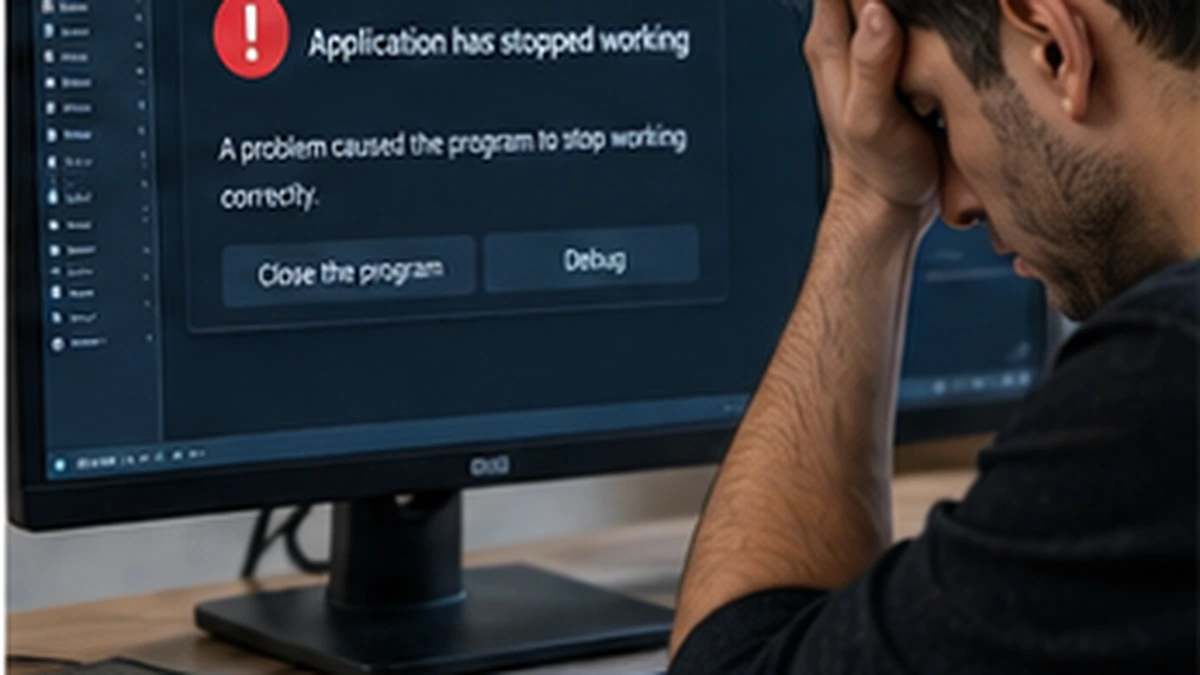
    Back up software settings and data before major changes

    Apple recommends backing up before installing major software updates. The same principle applies to important applications, migrations, and version upgrades.

    For back up software settings and data, apply this point to one real program on your device. Record the publisher, version, operating system, source, and the setting or file involved. This turns the idea into a repeatable software check instead of relying on memory. Section review 1.

    Identify what the software stores locally

    Projects, libraries, presets, templates, plug-ins, databases, user profiles, save files, and local caches can live in different folders.

    For back up software settings and data, apply this point to one real program on your device. Record the publisher, version, operating system, source, and the setting or file involved. This turns the idea into a repeatable software check instead of relying on memory. Section review 2.

    Separate documents from application settings

    Documents may be stored in ordinary user folders while preferences and configuration live in hidden or application-specific locations.

    For back up software settings and data, apply this point to one real program on your device. Record the publisher, version, operating system, source, and the setting or file involved. This turns the idea into a repeatable software check instead of relying on memory. Section review 3.

    Use the application export feature when available

    Many programs can export settings, profiles, bookmarks, databases, projects, or configuration packages in a supported format.

    For back up software settings and data, apply this point to one real program on your device. Record the publisher, version, operating system, source, and the setting or file involved. This turns the idea into a repeatable software check instead of relying on memory. Section review 4.

    Back up license and account information securely

    Keep the official account email, activation method, license key where applicable, subscription details, and recovery information.

    For back up software settings and data, apply this point to one real program on your device. Record the publisher, version, operating system, source, and the setting or file involved. This turns the idea into a repeatable software check instead of relying on memory. Section review 5.

    Record plug-ins and extensions

    A restored project can fail when a required plug-in, font, codec, or extension is missing. Keep a list of important dependencies.

    For back up software settings and data, apply this point to one real program on your device. Record the publisher, version, operating system, source, and the setting or file involved. This turns the idea into a repeatable software check instead of relying on memory. Section review 6.

    Verify cloud synchronization before relying on it

    A sync icon does not always mean every file is uploaded. Confirm important data is present from another device or web interface where possible.

    For back up software settings and data, apply this point to one real program on your device. Record the publisher, version, operating system, source, and the setting or file involved. This turns the idea into a repeatable software check instead of relying on memory. Section review 7.

    Test a sample restore

    A backup is more trustworthy when you know how to restore it. Test a small file, exported profile, or duplicate project before making a risky upgrade.

    For back up software settings and data, apply this point to one real program on your device. Record the publisher, version, operating system, source, and the setting or file involved. This turns the idea into a repeatable software check instead of relying on memory. Section review 8.

    Keep the old software version temporarily when possible

    Do not delete the previous working environment until critical files have opened correctly in the new version.

    For back up software settings and data, apply this point to one real program on your device. Record the publisher, version, operating system, source, and the setting or file involved. This turns the idea into a repeatable software check instead of relying on memory. Section review 9.

    Document the migration steps

    Write the software version, backup location, exported settings, plug-ins, and verification steps so the process can be repeated or reversed.

    For back up software settings and data, apply this point to one real program on your device. Record the publisher, version, operating system, source, and the setting or file involved. This turns the idea into a repeatable software check instead of relying on memory. Section review 10.

    A deeper review for back up software settings and data

    Think about the full software lifecycle: where the program comes from, what it needs to run, what data it creates, how it updates, how it can be recovered, and how it can be removed. A program is easier to trust and maintain when those stages are understood before something goes wrong. Software review note 8 for back up software settings and data.

    Also identify the dependency that would create the biggest disruption if it failed. That could be a plug-in, account login, license server, hardware driver, project file, cloud service, or old operating-system feature. For back up software settings and data, protecting the most important dependency is often more useful than adding more software.

    A realistic software example

    A user installs or upgrades an important program and later discovers a compatibility or data problem. Instead of making random changes, the user checks the source, system requirements, version, recent updates, local data, and recovery options in order. The problem becomes easier to isolate because back up software settings and data is connected to evidence rather than guesswork.

    Connect this guide to the rest of the software site

    Read update software safely for one related software topic, and use uninstall software cleanly when the second guide helps you check compatibility, safety, installation, or recovery.

    These internal links connect the first Software batch so readers can move from installation and requirements to licensing, updates, troubleshooting, and safety without repeating the same article.

    A seven-day practice plan for back up software settings and data

    Day 1: choose one important program. Day 2: record its publisher, version, license, and requirements. Day 3: identify where data and settings are stored. Day 4: review the official update and uninstall process. Day 5: verify the installer or download source. Day 6: test one backup or recovery step. Day 7: write a short checklist you could use again for another program. Software review note 8 for back up software settings and data.

    You do not need a full week for every program. The sequence is a framework that helps you avoid skipping safety, compatibility, or recovery just because installation appears simple.

    Practical checklist

    • Purpose of back up software settings and data identified
    • Publisher and download source verified
    • System requirements checked
    • Permissions and dependencies reviewed
    • Important files or settings backed up
    • Update and uninstall path understood
    • License or subscription terms recorded
    • Recovery or rollback option considered

    Use the checklist to find the weakest part of your understanding of back up software settings and data. One missing backup, unsupported plug-in, or unverified installer can matter more than several settings you already understand.

    Frequently Asked Questions

    Should I install software from any site that offers the correct filename?

    No. Prefer the official publisher, trusted app store, or known repository. A correct-looking filename does not prove the package has not been modified.

    Do updates always make software safer?

    Updates often fix security and compatibility problems, but important workflows should still be backed up and tested because major releases can change features or plug-in support.

    Does uninstalling software remove all my data?

    Not always. Documents, profiles, subscriptions, cloud data, and settings can remain. Check the publisher removal documentation when complete cleanup matters.

    Where should I verify software information?

    Use the publisher, operating-system vendor, open-source project, or another authoritative source. Generic download pages should not replace official requirements or security guidance.

    Practical review 1 for back up software settings and data

    Open the software official documentation and compare it with what is actually installed on your device. Confirm version number, operating-system support, update channel, license status, and where user data is stored. If one detail is uncertain, resolve it before making a major change. Software review note 34 for back up software settings and data.

    Then write one failure scenario for back up software settings and data and the recovery step you would use. A useful software plan should answer not only how to install or use the program, but how to recover files, settings, or a working version when something fails. Software review note 1 for back up software settings and data.

    Practical review 2 for back up software settings and data

    Open the software official documentation and compare it with what is actually installed on your device. Confirm version number, operating-system support, update channel, license status, and where user data is stored. If one detail is uncertain, resolve it before making a major change. Software review note 35 for back up software settings and data.

    Then write one failure scenario for back up software settings and data and the recovery step you would use. A useful software plan should answer not only how to install or use the program, but how to recover files, settings, or a working version when something fails. Software review note 2 for back up software settings and data.

    Practical review 3 for back up software settings and data

    Open the software official documentation and compare it with what is actually installed on your device. Confirm version number, operating-system support, update channel, license status, and where user data is stored. If one detail is uncertain, resolve it before making a major change. Software review note 36 for back up software settings and data.

    Then write one failure scenario for back up software settings and data and the recovery step you would use. A useful software plan should answer not only how to install or use the program, but how to recover files, settings, or a working version when something fails. Software review note 3 for back up software settings and data.

    Practical review 4 for back up software settings and data

    Open the software official documentation and compare it with what is actually installed on your device. Confirm version number, operating-system support, update channel, license status, and where user data is stored. If one detail is uncertain, resolve it before making a major change. Software review note 37 for back up software settings and data.

    Then write one failure scenario for back up software settings and data and the recovery step you would use. A useful software plan should answer not only how to install or use the program, but how to recover files, settings, or a working version when something fails. Software review note 4 for back up software settings and data.

    Authoritative resource to review

    For an authoritative reference related to this topic, review Apple Support – Update macOS on Mac. Use the source for the core principle, then follow the documentation for your exact software version and operating system.

    Final perspective

    Back up software settings and data becomes easier when software is treated as a maintained system rather than a disposable download. Verify the source, understand compatibility, protect important data, and keep a recovery path. Those habits reduce both security risk and wasted troubleshooting time.
  • How to Troubleshoot App Crashes and Software That Will Not Open

    How to Troubleshoot App Crashes and Software That Will Not Open

    Troubleshoot app crashes is easier to manage when software decisions are treated as part of system maintenance rather than as one-click installation. Programs interact with operating systems, files, accounts, permissions, hardware, updates, and other software, so one small change can affect stability, privacy, and compatibility.

    This guide explains troubleshoot app crashes in practical language for everyday users. The examples are general and may differ between Windows, macOS, Linux, mobile platforms, and individual publishers, so use the official documentation for the software and operating system you actually use.

    Troubleshoot app crashes by noting the exact symptom

    Record whether the app fails to open, freezes, closes immediately, crashes during one task, or shows a specific error message.

    For troubleshoot app crashes, apply this point to one real program on your device. Record the publisher, version, operating system, source, and the setting or file involved. This turns the idea into a repeatable software check instead of relying on memory. Section review 1.

    Restart the app and then the device

    A restart clears stuck processes, temporary locks, and some transient memory problems without changing data or settings.

    For troubleshoot app crashes, apply this point to one real program on your device. Record the publisher, version, operating system, source, and the setting or file involved. This turns the idea into a repeatable software check instead of relying on memory. Section review 2.

    Check for an app update

    A known crash may already be fixed in a newer release. Use the publisher official update channel.

    For troubleshoot app crashes, apply this point to one real program on your device. Record the publisher, version, operating system, source, and the setting or file involved. This turns the idea into a repeatable software check instead of relying on memory. Section review 3.

    Check operating-system updates and compatibility

    Applications can fail after operating-system changes or when required components are outdated.

    For troubleshoot app crashes, apply this point to one real program on your device. Record the publisher, version, operating system, source, and the setting or file involved. This turns the idea into a repeatable software check instead of relying on memory. Section review 4.

    Review system requirements

    Low memory, insufficient storage, unsupported graphics, or the wrong processor architecture can cause instability.

    For troubleshoot app crashes, apply this point to one real program on your device. Record the publisher, version, operating system, source, and the setting or file involved. This turns the idea into a repeatable software check instead of relying on memory. Section review 5.

    Disable recently added plug-ins or extensions

    If the problem began after adding an extension, theme, codec, plug-in, or driver, temporarily remove or disable that component.

    For troubleshoot app crashes, apply this point to one real program on your device. Record the publisher, version, operating system, source, and the setting or file involved. This turns the idea into a repeatable software check instead of relying on memory. Section review 6.

    Use repair or reset options where available

    Microsoft supports repair or reset for some Windows apps and programs. Repair is generally less disruptive than a full reinstall.

    For troubleshoot app crashes, apply this point to one real program on your device. Record the publisher, version, operating system, source, and the setting or file involved. This turns the idea into a repeatable software check instead of relying on memory. Section review 7.

    Test with a clean document or new profile

    A damaged project, user profile, or preference file can make the entire program appear broken.

    For troubleshoot app crashes, apply this point to one real program on your device. Record the publisher, version, operating system, source, and the setting or file involved. This turns the idea into a repeatable software check instead of relying on memory. Section review 8.

    Reinstall only after protecting local data

    Back up projects, settings, license information, and custom files before uninstalling or resetting an application.

    For troubleshoot app crashes, apply this point to one real program on your device. Record the publisher, version, operating system, source, and the setting or file involved. This turns the idea into a repeatable software check instead of relying on memory. Section review 9.

    Collect logs and error details before asking for support

    Version number, operating system, steps to reproduce the crash, error text, and recent changes give support teams better evidence.

    For troubleshoot app crashes, apply this point to one real program on your device. Record the publisher, version, operating system, source, and the setting or file involved. This turns the idea into a repeatable software check instead of relying on memory. Section review 10.

    A deeper review for troubleshoot app crashes

    Think about the full software lifecycle: where the program comes from, what it needs to run, what data it creates, how it updates, how it can be recovered, and how it can be removed. A program is easier to trust and maintain when those stages are understood before something goes wrong. Software review note 9 for troubleshoot app crashes.

    Also identify the dependency that would create the biggest disruption if it failed. That could be a plug-in, account login, license server, hardware driver, project file, cloud service, or old operating-system feature. For troubleshoot app crashes, protecting the most important dependency is often more useful than adding more software.

    A realistic software example

    A user installs or upgrades an important program and later discovers a compatibility or data problem. Instead of making random changes, the user checks the source, system requirements, version, recent updates, local data, and recovery options in order. The problem becomes easier to isolate because troubleshoot app crashes is connected to evidence rather than guesswork.

    Connect this guide to the rest of the software site

    Read software updates for one related software topic, and use system requirements when the second guide helps you check compatibility, safety, installation, or recovery.

    These internal links connect the first Software batch so readers can move from installation and requirements to licensing, updates, troubleshooting, and safety without repeating the same article.

    A seven-day practice plan for troubleshoot app crashes

    Day 1: choose one important program. Day 2: record its publisher, version, license, and requirements. Day 3: identify where data and settings are stored. Day 4: review the official update and uninstall process. Day 5: verify the installer or download source. Day 6: test one backup or recovery step. Day 7: write a short checklist you could use again for another program. Software review note 9 for troubleshoot app crashes.

    You do not need a full week for every program. The sequence is a framework that helps you avoid skipping safety, compatibility, or recovery just because installation appears simple.

    Practical checklist

    • Purpose of troubleshoot app crashes identified
    • Publisher and download source verified
    • System requirements checked
    • Permissions and dependencies reviewed
    • Important files or settings backed up
    • Update and uninstall path understood
    • License or subscription terms recorded
    • Recovery or rollback option considered

    Use the checklist to find the weakest part of your understanding of troubleshoot app crashes. One missing backup, unsupported plug-in, or unverified installer can matter more than several settings you already understand.

    Frequently Asked Questions

    Should I install software from any site that offers the correct filename?

    No. Prefer the official publisher, trusted app store, or known repository. A correct-looking filename does not prove the package has not been modified.

    Do updates always make software safer?

    Updates often fix security and compatibility problems, but important workflows should still be backed up and tested because major releases can change features or plug-in support.

    Does uninstalling software remove all my data?

    Not always. Documents, profiles, subscriptions, cloud data, and settings can remain. Check the publisher removal documentation when complete cleanup matters.

    Where should I verify software information?

    Use the publisher, operating-system vendor, open-source project, or another authoritative source. Generic download pages should not replace official requirements or security guidance.

    Practical review 1 for troubleshoot app crashes

    Open the software official documentation and compare it with what is actually installed on your device. Confirm version number, operating-system support, update channel, license status, and where user data is stored. If one detail is uncertain, resolve it before making a major change. Software review note 38 for troubleshoot app crashes.

    Then write one failure scenario for troubleshoot app crashes and the recovery step you would use. A useful software plan should answer not only how to install or use the program, but how to recover files, settings, or a working version when something fails. Software review note 1 for troubleshoot app crashes.

    Practical review 2 for troubleshoot app crashes

    Open the software official documentation and compare it with what is actually installed on your device. Confirm version number, operating-system support, update channel, license status, and where user data is stored. If one detail is uncertain, resolve it before making a major change. Software review note 39 for troubleshoot app crashes.

    Then write one failure scenario for troubleshoot app crashes and the recovery step you would use. A useful software plan should answer not only how to install or use the program, but how to recover files, settings, or a working version when something fails. Software review note 2 for troubleshoot app crashes.

    Practical review 3 for troubleshoot app crashes

    Open the software official documentation and compare it with what is actually installed on your device. Confirm version number, operating-system support, update channel, license status, and where user data is stored. If one detail is uncertain, resolve it before making a major change. Software review note 40 for troubleshoot app crashes.

    Then write one failure scenario for troubleshoot app crashes and the recovery step you would use. A useful software plan should answer not only how to install or use the program, but how to recover files, settings, or a working version when something fails. Software review note 3 for troubleshoot app crashes.

    Practical review 4 for troubleshoot app crashes

    Open the software official documentation and compare it with what is actually installed on your device. Confirm version number, operating-system support, update channel, license status, and where user data is stored. If one detail is uncertain, resolve it before making a major change. Software review note 41 for troubleshoot app crashes.

    Then write one failure scenario for troubleshoot app crashes and the recovery step you would use. A useful software plan should answer not only how to install or use the program, but how to recover files, settings, or a working version when something fails. Software review note 4 for troubleshoot app crashes.

    Practical review 5 for troubleshoot app crashes

    Open the software official documentation and compare it with what is actually installed on your device. Confirm version number, operating-system support, update channel, license status, and where user data is stored. If one detail is uncertain, resolve it before making a major change. Software review note 42 for troubleshoot app crashes.

    Then write one failure scenario for troubleshoot app crashes and the recovery step you would use. A useful software plan should answer not only how to install or use the program, but how to recover files, settings, or a working version when something fails. Software review note 5 for troubleshoot app crashes.

    Authoritative resource to review

    For an authoritative reference related to this topic, review Microsoft Support – Repair Apps and Programs in Windows. Use the source for the core principle, then follow the documentation for your exact software version and operating system.

    Final perspective

    Troubleshoot app crashes becomes easier when software is treated as a maintained system rather than a disposable download. Verify the source, understand compatibility, protect important data, and keep a recovery path. Those habits reduce both security risk and wasted troubleshooting time.
  • 32-Bit vs 64-Bit Software: Which Version Should You Install?

    32-Bit vs 64-Bit Software: Which Version Should You Install?

    32-bit vs 64-bit software is easier to manage when software decisions are treated as part of system maintenance rather than as one-click installation. Programs interact with operating systems, files, accounts, permissions, hardware, updates, and other software, so one small change can affect stability, privacy, and compatibility.

    This guide explains 32-bit vs 64-bit software in practical language for everyday users. The examples are general and may differ between Windows, macOS, Linux, mobile platforms, and individual publishers, so use the official documentation for the software and operating system you actually use.

    32-bit vs 64-bit software begins with architecture

    Software is compiled for an architecture such as x86, x64, or ARM64. The operating system and processor determine which builds can run.

    For 32-bit vs 64-bit software, apply this point to one real program on your device. Record the publisher, version, operating system, source, and the setting or file involved. This turns the idea into a repeatable software check instead of relying on memory. Section review 1.

    64-bit software can use a larger address space

    A 64-bit application can work with much more memory than a traditional 32-bit process, which matters for large projects and data-heavy applications.

    For 32-bit vs 64-bit software, apply this point to one real program on your device. Record the publisher, version, operating system, source, and the setting or file involved. This turns the idea into a repeatable software check instead of relying on memory. Section review 2.

    Modern Windows is increasingly 64-bit

    Microsoft states that Windows 11 is 64-bit only, which changes the default choice for most current Windows PCs.

    For 32-bit vs 64-bit software, apply this point to one real program on your device. Record the publisher, version, operating system, source, and the setting or file involved. This turns the idea into a repeatable software check instead of relying on memory. Section review 3.

    32-bit applications may still run on some 64-bit systems

    Compatibility layers can allow many 32-bit desktop applications to run on 64-bit Windows, but not every program, driver, or plug-in works this way.

    For 32-bit vs 64-bit software, apply this point to one real program on your device. Record the publisher, version, operating system, source, and the setting or file involved. This turns the idea into a repeatable software check instead of relying on memory. Section review 4.

    Drivers must match platform requirements

    A 32-bit application can sometimes run on a 64-bit system, but low-level drivers and system components often need architecture-specific versions.

    For 32-bit vs 64-bit software, apply this point to one real program on your device. Record the publisher, version, operating system, source, and the setting or file involved. This turns the idea into a repeatable software check instead of relying on memory. Section review 5.

    Plug-ins must match the host application

    A 64-bit creative or productivity application may require 64-bit plug-ins even when an older 32-bit version of the plug-in exists.

    For 32-bit vs 64-bit software, apply this point to one real program on your device. Record the publisher, version, operating system, source, and the setting or file involved. This turns the idea into a repeatable software check instead of relying on memory. Section review 6.

    ARM64 adds another compatibility question

    ARM-based PCs can run software built for ARM64 and may emulate some x86 or x64 applications depending on the operating system.

    For 32-bit vs 64-bit software, apply this point to one real program on your device. Record the publisher, version, operating system, source, and the setting or file involved. This turns the idea into a repeatable software check instead of relying on memory. Section review 7.

    Check the application download page instead of guessing

    Publishers often label installers as x86, x64, ARM64, Intel, Apple silicon, or universal. Choose the build intended for your system.

    For 32-bit vs 64-bit software, apply this point to one real program on your device. Record the publisher, version, operating system, source, and the setting or file involved. This turns the idea into a repeatable software check instead of relying on memory. Section review 8.

    Do not switch architectures without checking dependencies

    Moving from an old 32-bit program to a 64-bit replacement can affect plug-ins, drivers, macros, or legacy integrations.

    For 32-bit vs 64-bit software, apply this point to one real program on your device. Record the publisher, version, operating system, source, and the setting or file involved. This turns the idea into a repeatable software check instead of relying on memory. Section review 9.

    Use system information to confirm architecture

    On Windows, System > About shows the system type. Record this value before downloading architecture-specific installers.

    For 32-bit vs 64-bit software, apply this point to one real program on your device. Record the publisher, version, operating system, source, and the setting or file involved. This turns the idea into a repeatable software check instead of relying on memory. Section review 10.

    A deeper review for 32-bit vs 64-bit software

    Think about the full software lifecycle: where the program comes from, what it needs to run, what data it creates, how it updates, how it can be recovered, and how it can be removed. A program is easier to trust and maintain when those stages are understood before something goes wrong. Software review note 10 for 32-bit vs 64-bit software.

    Also identify the dependency that would create the biggest disruption if it failed. That could be a plug-in, account login, license server, hardware driver, project file, cloud service, or old operating-system feature. For 32-bit vs 64-bit software, protecting the most important dependency is often more useful than adding more software.

    A realistic software example

    A user installs or upgrades an important program and later discovers a compatibility or data problem. Instead of making random changes, the user checks the source, system requirements, version, recent updates, local data, and recovery options in order. The problem becomes easier to isolate because 32-bit vs 64-bit software is connected to evidence rather than guesswork.

    Connect this guide to the rest of the software site

    Read software system requirements for one related software topic, and use software compatibility troubleshooting when the second guide helps you check compatibility, safety, installation, or recovery.

    These internal links connect the first Software batch so readers can move from installation and requirements to licensing, updates, troubleshooting, and safety without repeating the same article.

    A seven-day practice plan for 32-bit vs 64-bit software

    Day 1: choose one important program. Day 2: record its publisher, version, license, and requirements. Day 3: identify where data and settings are stored. Day 4: review the official update and uninstall process. Day 5: verify the installer or download source. Day 6: test one backup or recovery step. Day 7: write a short checklist you could use again for another program. Software review note 10 for 32-bit vs 64-bit software.

    You do not need a full week for every program. The sequence is a framework that helps you avoid skipping safety, compatibility, or recovery just because installation appears simple.

    Practical checklist

    • Purpose of 32-bit vs 64-bit software identified
    • Publisher and download source verified
    • System requirements checked
    • Permissions and dependencies reviewed
    • Important files or settings backed up
    • Update and uninstall path understood
    • License or subscription terms recorded
    • Recovery or rollback option considered

    Use the checklist to find the weakest part of your understanding of 32-bit vs 64-bit software. One missing backup, unsupported plug-in, or unverified installer can matter more than several settings you already understand.

    Frequently Asked Questions

    Should I install software from any site that offers the correct filename?

    No. Prefer the official publisher, trusted app store, or known repository. A correct-looking filename does not prove the package has not been modified.

    Do updates always make software safer?

    Updates often fix security and compatibility problems, but important workflows should still be backed up and tested because major releases can change features or plug-in support.

    Does uninstalling software remove all my data?

    Not always. Documents, profiles, subscriptions, cloud data, and settings can remain. Check the publisher removal documentation when complete cleanup matters.

    Where should I verify software information?

    Use the publisher, operating-system vendor, open-source project, or another authoritative source. Generic download pages should not replace official requirements or security guidance.

    Practical review 1 for 32-bit vs 64-bit software

    Open the software official documentation and compare it with what is actually installed on your device. Confirm version number, operating-system support, update channel, license status, and where user data is stored. If one detail is uncertain, resolve it before making a major change. Software review note 43 for 32-bit vs 64-bit software.

    Then write one failure scenario for 32-bit vs 64-bit software and the recovery step you would use. A useful software plan should answer not only how to install or use the program, but how to recover files, settings, or a working version when something fails. Software review note 1 for 32-bit vs 64-bit software.

    Practical review 2 for 32-bit vs 64-bit software

    Open the software official documentation and compare it with what is actually installed on your device. Confirm version number, operating-system support, update channel, license status, and where user data is stored. If one detail is uncertain, resolve it before making a major change. Software review note 44 for 32-bit vs 64-bit software.

    Then write one failure scenario for 32-bit vs 64-bit software and the recovery step you would use. A useful software plan should answer not only how to install or use the program, but how to recover files, settings, or a working version when something fails. Software review note 2 for 32-bit vs 64-bit software.

    Practical review 3 for 32-bit vs 64-bit software

    Open the software official documentation and compare it with what is actually installed on your device. Confirm version number, operating-system support, update channel, license status, and where user data is stored. If one detail is uncertain, resolve it before making a major change. Software review note 45 for 32-bit vs 64-bit software.

    Then write one failure scenario for 32-bit vs 64-bit software and the recovery step you would use. A useful software plan should answer not only how to install or use the program, but how to recover files, settings, or a working version when something fails. Software review note 3 for 32-bit vs 64-bit software.

    Practical review 4 for 32-bit vs 64-bit software

    Open the software official documentation and compare it with what is actually installed on your device. Confirm version number, operating-system support, update channel, license status, and where user data is stored. If one detail is uncertain, resolve it before making a major change. Software review note 46 for 32-bit vs 64-bit software.

    Then write one failure scenario for 32-bit vs 64-bit software and the recovery step you would use. A useful software plan should answer not only how to install or use the program, but how to recover files, settings, or a working version when something fails. Software review note 4 for 32-bit vs 64-bit software.

    Authoritative resource to review

    For an authoritative reference related to this topic, review Microsoft Support – 32-bit and 64-bit Windows FAQ. Use the source for the core principle, then follow the documentation for your exact software version and operating system.

    Final perspective

    32-bit vs 64-bit software becomes easier when software is treated as a maintained system rather than a disposable download. Verify the source, understand compatibility, protect important data, and keep a recovery path. Those habits reduce both security risk and wasted troubleshooting time.
  • How to Choose Software Safely Before You Install It

    How to Choose Software Safely Before You Install It

    Choose software safely is easier to manage when software decisions are treated as part of system maintenance rather than as one-click installation. Programs interact with operating systems, files, accounts, permissions, hardware, updates, and other software, so one small change can affect stability, privacy, and compatibility.

    This guide explains choose software safely in practical language for everyday users. The examples are general and may differ between Windows, macOS, Linux, mobile platforms, and individual publishers, so use the official documentation for the software and operating system you actually use.

    Choose software safely by starting with the real task

    Define what you need the program to do before searching. A clear task helps you reject software that adds features, permissions, subscriptions, or complexity you do not need.

    For choose software safely, apply this point to one real program on your device. Record the publisher, version, operating system, source, and the setting or file involved. This turns the idea into a repeatable software check instead of relying on memory. Section review 1.

    Prefer the official publisher or trusted app store

    Download from the software publisher, operating-system store, or another trusted source. Third-party download portals can bundle installers, outdated versions, advertising software, or modified packages.

    For choose software safely, apply this point to one real program on your device. Record the publisher, version, operating system, source, and the setting or file involved. This turns the idea into a repeatable software check instead of relying on memory. Section review 2.

    Check who publishes the software

    Look for a clear company or project identity, support page, privacy information, documentation, and a consistent domain. An installer with no traceable publisher deserves more caution.

    For choose software safely, apply this point to one real program on your device. Record the publisher, version, operating system, source, and the setting or file involved. This turns the idea into a repeatable software check instead of relying on memory. Section review 3.

    Review permissions and access

    Some software needs access to files, camera, microphone, contacts, browser data, system services, or administrator privileges. Compare requested access with the program function.

    For choose software safely, apply this point to one real program on your device. Record the publisher, version, operating system, source, and the setting or file involved. This turns the idea into a repeatable software check instead of relying on memory. Section review 4.

    Read independent information carefully

    Look for recurring reports about stability, unwanted behavior, subscriptions, difficult removal, or misleading pricing. Repeated patterns are more useful than one extreme review.

    For choose software safely, apply this point to one real program on your device. Record the publisher, version, operating system, source, and the setting or file involved. This turns the idea into a repeatable software check instead of relying on memory. Section review 5.

    Check update and support history

    Software that receives security and compatibility updates is easier to maintain than abandoned software. Review recent release notes when the program will handle important files.

    For choose software safely, apply this point to one real program on your device. Record the publisher, version, operating system, source, and the setting or file involved. This turns the idea into a repeatable software check instead of relying on memory. Section review 6.

    Understand the price and subscription model

    Free trials, freemium plans, recurring subscriptions, and one-time licenses create different long-term costs. Confirm what happens after the trial and how cancellation works.

    For choose software safely, apply this point to one real program on your device. Record the publisher, version, operating system, source, and the setting or file involved. This turns the idea into a repeatable software check instead of relying on memory. Section review 7.

    Check compatibility before installing

    The publisher should state supported operating systems, processor architecture, storage, RAM, and other requirements. Unsupported software may install but still fail later.

    For choose software safely, apply this point to one real program on your device. Record the publisher, version, operating system, source, and the setting or file involved. This turns the idea into a repeatable software check instead of relying on memory. Section review 8.

    Create a recovery path for high-impact changes

    Before installing software that adds drivers, security tools, or deep system integrations, back up important files and know how to remove or roll back the change.

    For choose software safely, apply this point to one real program on your device. Record the publisher, version, operating system, source, and the setting or file involved. This turns the idea into a repeatable software check instead of relying on memory. Section review 9.

    Install one major change at a time

    When several programs are installed together, troubleshooting becomes harder. Install and test one important program before making another large system change.

    For choose software safely, apply this point to one real program on your device. Record the publisher, version, operating system, source, and the setting or file involved. This turns the idea into a repeatable software check instead of relying on memory. Section review 10.

    A deeper review for choose software safely

    Think about the full software lifecycle: where the program comes from, what it needs to run, what data it creates, how it updates, how it can be recovered, and how it can be removed. A program is easier to trust and maintain when those stages are understood before something goes wrong. Software review note 1 for choose software safely.

    Also identify the dependency that would create the biggest disruption if it failed. That could be a plug-in, account login, license server, hardware driver, project file, cloud service, or old operating-system feature. For choose software safely, protecting the most important dependency is often more useful than adding more software.

    A realistic software example

    A user installs or upgrades an important program and later discovers a compatibility or data problem. Instead of making random changes, the user checks the source, system requirements, version, recent updates, local data, and recovery options in order. The problem becomes easier to isolate because choose software safely is connected to evidence rather than guesswork.

    Connect this guide to the rest of the software site

    Read software system requirements for one related software topic, and use verify a software download when the second guide helps you check compatibility, safety, installation, or recovery.

    These internal links connect the first Software batch so readers can move from installation and requirements to licensing, updates, troubleshooting, and safety without repeating the same article.

    A seven-day practice plan for choose software safely

    Day 1: choose one important program. Day 2: record its publisher, version, license, and requirements. Day 3: identify where data and settings are stored. Day 4: review the official update and uninstall process. Day 5: verify the installer or download source. Day 6: test one backup or recovery step. Day 7: write a short checklist you could use again for another program. Software review note 1 for choose software safely.

    You do not need a full week for every program. The sequence is a framework that helps you avoid skipping safety, compatibility, or recovery just because installation appears simple.

    Practical checklist

    • Purpose of choose software safely identified
    • Publisher and download source verified
    • System requirements checked
    • Permissions and dependencies reviewed
    • Important files or settings backed up
    • Update and uninstall path understood
    • License or subscription terms recorded
    • Recovery or rollback option considered

    Use the checklist to find the weakest part of your understanding of choose software safely. One missing backup, unsupported plug-in, or unverified installer can matter more than several settings you already understand.

    Frequently Asked Questions

    Should I install software from any site that offers the correct filename?

    No. Prefer the official publisher, trusted app store, or known repository. A correct-looking filename does not prove the package has not been modified.

    Do updates always make software safer?

    Updates often fix security and compatibility problems, but important workflows should still be backed up and tested because major releases can change features or plug-in support.

    Does uninstalling software remove all my data?

    Not always. Documents, profiles, subscriptions, cloud data, and settings can remain. Check the publisher removal documentation when complete cleanup matters.

    Where should I verify software information?

    Use the publisher, operating-system vendor, open-source project, or another authoritative source. Generic download pages should not replace official requirements or security guidance.

    Practical review 1 for choose software safely

    Open the software official documentation and compare it with what is actually installed on your device. Confirm version number, operating-system support, update channel, license status, and where user data is stored. If one detail is uncertain, resolve it before making a major change. Software review note 1 for choose software safely.

    Then write one failure scenario for choose software safely and the recovery step you would use. A useful software plan should answer not only how to install or use the program, but how to recover files, settings, or a working version when something fails. Software review note 1 for choose software safely.

    Practical review 2 for choose software safely

    Open the software official documentation and compare it with what is actually installed on your device. Confirm version number, operating-system support, update channel, license status, and where user data is stored. If one detail is uncertain, resolve it before making a major change. Software review note 2 for choose software safely.

    Then write one failure scenario for choose software safely and the recovery step you would use. A useful software plan should answer not only how to install or use the program, but how to recover files, settings, or a working version when something fails. Software review note 2 for choose software safely.

    Practical review 3 for choose software safely

    Open the software official documentation and compare it with what is actually installed on your device. Confirm version number, operating-system support, update channel, license status, and where user data is stored. If one detail is uncertain, resolve it before making a major change. Software review note 3 for choose software safely.

    Then write one failure scenario for choose software safely and the recovery step you would use. A useful software plan should answer not only how to install or use the program, but how to recover files, settings, or a working version when something fails. Software review note 3 for choose software safely.

    Practical review 4 for choose software safely

    Open the software official documentation and compare it with what is actually installed on your device. Confirm version number, operating-system support, update channel, license status, and where user data is stored. If one detail is uncertain, resolve it before making a major change. Software review note 4 for choose software safely.

    Then write one failure scenario for choose software safely and the recovery step you would use. A useful software plan should answer not only how to install or use the program, but how to recover files, settings, or a working version when something fails. Software review note 4 for choose software safely.

    Authoritative resource to review

    For an authoritative reference related to this topic, review Microsoft Support – Protect Your PC From Unwanted Software. Use the source for the core principle, then follow the documentation for your exact software version and operating system.

    Final perspective

    Choose software safely becomes easier when software is treated as a maintained system rather than a disposable download. Verify the source, understand compatibility, protect important data, and keep a recovery path. Those habits reduce both security risk and wasted troubleshooting time.
  • Software System Requirements Explained: CPU, RAM, Storage and OS

    Software System Requirements Explained: CPU, RAM, Storage and OS

    Software system requirements is easier to manage when software decisions are treated as part of system maintenance rather than as one-click installation. Programs interact with operating systems, files, accounts, permissions, hardware, updates, and other software, so one small change can affect stability, privacy, and compatibility.

    This guide explains software system requirements in practical language for everyday users. The examples are general and may differ between Windows, macOS, Linux, mobile platforms, and individual publishers, so use the official documentation for the software and operating system you actually use.

    Software system requirements describe the minimum environment

    Publishers list operating system, processor, memory, storage, graphics, and other requirements so users can judge whether the program is expected to run.

    For software system requirements, apply this point to one real program on your device. Record the publisher, version, operating system, source, and the setting or file involved. This turns the idea into a repeatable software check instead of relying on memory. Section review 1.

    Minimum and recommended requirements are different

    Minimum requirements describe the lowest supported configuration, while recommended requirements usually target a smoother experience.

    For software system requirements, apply this point to one real program on your device. Record the publisher, version, operating system, source, and the setting or file involved. This turns the idea into a repeatable software check instead of relying on memory. Section review 2.

    Operating-system version matters

    A program can depend on APIs, security features, drivers, or frameworks unavailable on older operating systems. Version support is therefore a technical requirement.

    For software system requirements, apply this point to one real program on your device. Record the publisher, version, operating system, source, and the setting or file involved. This turns the idea into a repeatable software check instead of relying on memory. Section review 3.

    Processor requirements include architecture and capability

    A program may require x64, ARM64, another architecture, or certain processor features. Architecture can matter more than raw clock speed.

    For software system requirements, apply this point to one real program on your device. Record the publisher, version, operating system, source, and the setting or file involved. This turns the idea into a repeatable software check instead of relying on memory. Section review 4.

    RAM affects active workloads

    Video editors, virtual machines, large datasets, browsers with many tabs, and design tools can use much more memory than simple utilities.

    For software system requirements, apply this point to one real program on your device. Record the publisher, version, operating system, source, and the setting or file involved. This turns the idea into a repeatable software check instead of relying on memory. Section review 5.

    Storage requirements include temporary working space

    An installer may need more free space than the final installed size because packages are downloaded, unpacked, cached, and used during updates.

    For software system requirements, apply this point to one real program on your device. Record the publisher, version, operating system, source, and the setting or file involved. This turns the idea into a repeatable software check instead of relying on memory. Section review 6.

    Graphics requirements matter for visual workloads

    Games, 3D tools, video editors, CAD applications, and AI software can depend on a supported GPU, driver, and video memory.

    For software system requirements, apply this point to one real program on your device. Record the publisher, version, operating system, source, and the setting or file involved. This turns the idea into a repeatable software check instead of relying on memory. Section review 7.

    Internet and account requirements should not be ignored

    Some programs require activation, cloud sign-in, online updates, subscriptions, or persistent connectivity for important features.

    For software system requirements, apply this point to one real program on your device. Record the publisher, version, operating system, source, and the setting or file involved. This turns the idea into a repeatable software check instead of relying on memory. Section review 8.

    Peripheral and driver requirements can decide compatibility

    Printers, scanners, audio interfaces, capture cards, and other hardware can depend on drivers supported by the operating system.

    For software system requirements, apply this point to one real program on your device. Record the publisher, version, operating system, source, and the setting or file involved. This turns the idea into a repeatable software check instead of relying on memory. Section review 9.

    Check the publisher requirements before buying hardware

    Do not upgrade a computer based on guesses. Compare your current system information with the exact application requirements and identify the real bottleneck first.

    For software system requirements, apply this point to one real program on your device. Record the publisher, version, operating system, source, and the setting or file involved. This turns the idea into a repeatable software check instead of relying on memory. Section review 10.

    A deeper review for software system requirements

    Think about the full software lifecycle: where the program comes from, what it needs to run, what data it creates, how it updates, how it can be recovered, and how it can be removed. A program is easier to trust and maintain when those stages are understood before something goes wrong. Software review note 2 for software system requirements.

    Also identify the dependency that would create the biggest disruption if it failed. That could be a plug-in, account login, license server, hardware driver, project file, cloud service, or old operating-system feature. For software system requirements, protecting the most important dependency is often more useful than adding more software.

    A realistic software example

    A user installs or upgrades an important program and later discovers a compatibility or data problem. Instead of making random changes, the user checks the source, system requirements, version, recent updates, local data, and recovery options in order. The problem becomes easier to isolate because software system requirements is connected to evidence rather than guesswork.

    Connect this guide to the rest of the software site

    Read choose software safely for one related software topic, and use 32-bit vs 64-bit software when the second guide helps you check compatibility, safety, installation, or recovery.

    These internal links connect the first Software batch so readers can move from installation and requirements to licensing, updates, troubleshooting, and safety without repeating the same article.

    A seven-day practice plan for software system requirements

    Day 1: choose one important program. Day 2: record its publisher, version, license, and requirements. Day 3: identify where data and settings are stored. Day 4: review the official update and uninstall process. Day 5: verify the installer or download source. Day 6: test one backup or recovery step. Day 7: write a short checklist you could use again for another program. Software review note 2 for software system requirements.

    You do not need a full week for every program. The sequence is a framework that helps you avoid skipping safety, compatibility, or recovery just because installation appears simple.

    Practical checklist

    • Purpose of software system requirements identified
    • Publisher and download source verified
    • System requirements checked
    • Permissions and dependencies reviewed
    • Important files or settings backed up
    • Update and uninstall path understood
    • License or subscription terms recorded
    • Recovery or rollback option considered

    Use the checklist to find the weakest part of your understanding of software system requirements. One missing backup, unsupported plug-in, or unverified installer can matter more than several settings you already understand.

    Frequently Asked Questions

    Should I install software from any site that offers the correct filename?

    No. Prefer the official publisher, trusted app store, or known repository. A correct-looking filename does not prove the package has not been modified.

    Do updates always make software safer?

    Updates often fix security and compatibility problems, but important workflows should still be backed up and tested because major releases can change features or plug-in support.

    Does uninstalling software remove all my data?

    Not always. Documents, profiles, subscriptions, cloud data, and settings can remain. Check the publisher removal documentation when complete cleanup matters.

    Where should I verify software information?

    Use the publisher, operating-system vendor, open-source project, or another authoritative source. Generic download pages should not replace official requirements or security guidance.

    Practical review 1 for software system requirements

    Open the software official documentation and compare it with what is actually installed on your device. Confirm version number, operating-system support, update channel, license status, and where user data is stored. If one detail is uncertain, resolve it before making a major change. Software review note 5 for software system requirements.

    Then write one failure scenario for software system requirements and the recovery step you would use. A useful software plan should answer not only how to install or use the program, but how to recover files, settings, or a working version when something fails. Software review note 1 for software system requirements.

    Practical review 2 for software system requirements

    Open the software official documentation and compare it with what is actually installed on your device. Confirm version number, operating-system support, update channel, license status, and where user data is stored. If one detail is uncertain, resolve it before making a major change. Software review note 6 for software system requirements.

    Then write one failure scenario for software system requirements and the recovery step you would use. A useful software plan should answer not only how to install or use the program, but how to recover files, settings, or a working version when something fails. Software review note 2 for software system requirements.

    Practical review 3 for software system requirements

    Open the software official documentation and compare it with what is actually installed on your device. Confirm version number, operating-system support, update channel, license status, and where user data is stored. If one detail is uncertain, resolve it before making a major change. Software review note 7 for software system requirements.

    Then write one failure scenario for software system requirements and the recovery step you would use. A useful software plan should answer not only how to install or use the program, but how to recover files, settings, or a working version when something fails. Software review note 3 for software system requirements.

    Practical review 4 for software system requirements

    Open the software official documentation and compare it with what is actually installed on your device. Confirm version number, operating-system support, update channel, license status, and where user data is stored. If one detail is uncertain, resolve it before making a major change. Software review note 8 for software system requirements.

    Then write one failure scenario for software system requirements and the recovery step you would use. A useful software plan should answer not only how to install or use the program, but how to recover files, settings, or a working version when something fails. Software review note 4 for software system requirements.

    Practical review 5 for software system requirements

    Open the software official documentation and compare it with what is actually installed on your device. Confirm version number, operating-system support, update channel, license status, and where user data is stored. If one detail is uncertain, resolve it before making a major change. Software review note 9 for software system requirements.

    Then write one failure scenario for software system requirements and the recovery step you would use. A useful software plan should answer not only how to install or use the program, but how to recover files, settings, or a working version when something fails. Software review note 5 for software system requirements.

    Authoritative resource to review

    For an authoritative reference related to this topic, review Microsoft Support – Windows System Requirements. Use the source for the core principle, then follow the documentation for your exact software version and operating system.

    Final perspective

    Software system requirements becomes easier when software is treated as a maintained system rather than a disposable download. Verify the source, understand compatibility, protect important data, and keep a recovery path. Those habits reduce both security risk and wasted troubleshooting time.
  • How to Update Software Safely Without Losing Your Work

    How to Update Software Safely Without Losing Your Work

    Update software safely is easier to manage when software decisions are treated as part of system maintenance rather than as one-click installation. Programs interact with operating systems, files, accounts, permissions, hardware, updates, and other software, so one small change can affect stability, privacy, and compatibility.

    This guide explains update software safely in practical language for everyday users. The examples are general and may differ between Windows, macOS, Linux, mobile platforms, and individual publishers, so use the official documentation for the software and operating system you actually use.

    Update software safely because updates can fix security flaws

    CISA recommends installing software updates because developers use them to fix vulnerabilities and protect users from known weaknesses.

    For update software safely, apply this point to one real program on your device. Record the publisher, version, operating system, source, and the setting or file involved. This turns the idea into a repeatable software check instead of relying on memory. Section review 1.

    Use the built-in updater or official publisher

    Updates should normally come through the app itself, an operating-system store, package manager, or the publisher official website.

    For update software safely, apply this point to one real program on your device. Record the publisher, version, operating system, source, and the setting or file involved. This turns the idea into a repeatable software check instead of relying on memory. Section review 2.

    Save work before starting

    Close important documents and save unsynced work. Some installers restart applications or the entire computer.

    For update software safely, apply this point to one real program on your device. Record the publisher, version, operating system, source, and the setting or file involved. This turns the idea into a repeatable software check instead of relying on memory. Section review 3.

    Back up important data before major upgrades

    A routine patch is usually low risk, but a major version upgrade can change file formats, plug-ins, settings, or compatibility.

    For update software safely, apply this point to one real program on your device. Record the publisher, version, operating system, source, and the setting or file involved. This turns the idea into a repeatable software check instead of relying on memory. Section review 4.

    Read the release notes when the software is important

    Release notes can reveal removed features, known issues, new requirements, and migration steps that matter to production workflows.

    For update software safely, apply this point to one real program on your device. Record the publisher, version, operating system, source, and the setting or file involved. This turns the idea into a repeatable software check instead of relying on memory. Section review 5.

    Check plug-ins and extensions first

    Creative, engineering, browser, development, and business software often depends on third-party add-ons that may not support the newest version immediately.

    For update software safely, apply this point to one real program on your device. Record the publisher, version, operating system, source, and the setting or file involved. This turns the idea into a repeatable software check instead of relying on memory. Section review 6.

    Keep enough storage available

    Updates may download large packages and require temporary disk space. A nearly full drive can cause installation failure.

    For update software safely, apply this point to one real program on your device. Record the publisher, version, operating system, source, and the setting or file involved. This turns the idea into a repeatable software check instead of relying on memory. Section review 7.

    Use stable power and network conditions

    Laptops should have reliable power, and large updates should use a stable connection where possible.

    For update software safely, apply this point to one real program on your device. Record the publisher, version, operating system, source, and the setting or file involved. This turns the idea into a repeatable software check instead of relying on memory. Section review 8.

    Test the updated software before deleting backups

    Open important files, test critical plug-ins, confirm licensing, and verify export or synchronization workflows after the update.

    For update software safely, apply this point to one real program on your device. Record the publisher, version, operating system, source, and the setting or file involved. This turns the idea into a repeatable software check instead of relying on memory. Section review 9.

    Know how to roll back when supported

    Some applications allow reinstalling an older release. Keep installers, backups, or documented recovery steps when a workflow cannot tolerate downtime.

    For update software safely, apply this point to one real program on your device. Record the publisher, version, operating system, source, and the setting or file involved. This turns the idea into a repeatable software check instead of relying on memory. Section review 10.

    A deeper review for update software safely

    Think about the full software lifecycle: where the program comes from, what it needs to run, what data it creates, how it updates, how it can be recovered, and how it can be removed. A program is easier to trust and maintain when those stages are understood before something goes wrong. Software review note 3 for update software safely.

    Also identify the dependency that would create the biggest disruption if it failed. That could be a plug-in, account login, license server, hardware driver, project file, cloud service, or old operating-system feature. For update software safely, protecting the most important dependency is often more useful than adding more software.

    A realistic software example

    A user installs or upgrades an important program and later discovers a compatibility or data problem. Instead of making random changes, the user checks the source, system requirements, version, recent updates, local data, and recovery options in order. The problem becomes easier to isolate because update software safely is connected to evidence rather than guesswork.

    Connect this guide to the rest of the software site

    Read back up software settings and data for one related software topic, and use troubleshoot app crashes when the second guide helps you check compatibility, safety, installation, or recovery.

    These internal links connect the first Software batch so readers can move from installation and requirements to licensing, updates, troubleshooting, and safety without repeating the same article.

    A seven-day practice plan for update software safely

    Day 1: choose one important program. Day 2: record its publisher, version, license, and requirements. Day 3: identify where data and settings are stored. Day 4: review the official update and uninstall process. Day 5: verify the installer or download source. Day 6: test one backup or recovery step. Day 7: write a short checklist you could use again for another program. Software review note 3 for update software safely.

    You do not need a full week for every program. The sequence is a framework that helps you avoid skipping safety, compatibility, or recovery just because installation appears simple.

    Practical checklist

    • Purpose of update software safely identified
    • Publisher and download source verified
    • System requirements checked
    • Permissions and dependencies reviewed
    • Important files or settings backed up
    • Update and uninstall path understood
    • License or subscription terms recorded
    • Recovery or rollback option considered

    Use the checklist to find the weakest part of your understanding of update software safely. One missing backup, unsupported plug-in, or unverified installer can matter more than several settings you already understand.

    Frequently Asked Questions

    Should I install software from any site that offers the correct filename?

    No. Prefer the official publisher, trusted app store, or known repository. A correct-looking filename does not prove the package has not been modified.

    Do updates always make software safer?

    Updates often fix security and compatibility problems, but important workflows should still be backed up and tested because major releases can change features or plug-in support.

    Does uninstalling software remove all my data?

    Not always. Documents, profiles, subscriptions, cloud data, and settings can remain. Check the publisher removal documentation when complete cleanup matters.

    Where should I verify software information?

    Use the publisher, operating-system vendor, open-source project, or another authoritative source. Generic download pages should not replace official requirements or security guidance.

    Practical review 1 for update software safely

    Open the software official documentation and compare it with what is actually installed on your device. Confirm version number, operating-system support, update channel, license status, and where user data is stored. If one detail is uncertain, resolve it before making a major change. Software review note 10 for update software safely.

    Then write one failure scenario for update software safely and the recovery step you would use. A useful software plan should answer not only how to install or use the program, but how to recover files, settings, or a working version when something fails. Software review note 1 for update software safely.

    Practical review 2 for update software safely

    Open the software official documentation and compare it with what is actually installed on your device. Confirm version number, operating-system support, update channel, license status, and where user data is stored. If one detail is uncertain, resolve it before making a major change. Software review note 11 for update software safely.

    Then write one failure scenario for update software safely and the recovery step you would use. A useful software plan should answer not only how to install or use the program, but how to recover files, settings, or a working version when something fails. Software review note 2 for update software safely.

    Practical review 3 for update software safely

    Open the software official documentation and compare it with what is actually installed on your device. Confirm version number, operating-system support, update channel, license status, and where user data is stored. If one detail is uncertain, resolve it before making a major change. Software review note 12 for update software safely.

    Then write one failure scenario for update software safely and the recovery step you would use. A useful software plan should answer not only how to install or use the program, but how to recover files, settings, or a working version when something fails. Software review note 3 for update software safely.

    Practical review 4 for update software safely

    Open the software official documentation and compare it with what is actually installed on your device. Confirm version number, operating-system support, update channel, license status, and where user data is stored. If one detail is uncertain, resolve it before making a major change. Software review note 13 for update software safely.

    Then write one failure scenario for update software safely and the recovery step you would use. A useful software plan should answer not only how to install or use the program, but how to recover files, settings, or a working version when something fails. Software review note 4 for update software safely.

    Practical review 5 for update software safely

    Open the software official documentation and compare it with what is actually installed on your device. Confirm version number, operating-system support, update channel, license status, and where user data is stored. If one detail is uncertain, resolve it before making a major change. Software review note 14 for update software safely.

    Then write one failure scenario for update software safely and the recovery step you would use. A useful software plan should answer not only how to install or use the program, but how to recover files, settings, or a working version when something fails. Software review note 5 for update software safely.

    Authoritative resource to review

    For an authoritative reference related to this topic, review CISA – Secure Our World. Use the source for the core principle, then follow the documentation for your exact software version and operating system.

    Final perspective

    Update software safely becomes easier when software is treated as a maintained system rather than a disposable download. Verify the source, understand compatibility, protect important data, and keep a recovery path. Those habits reduce both security risk and wasted troubleshooting time.
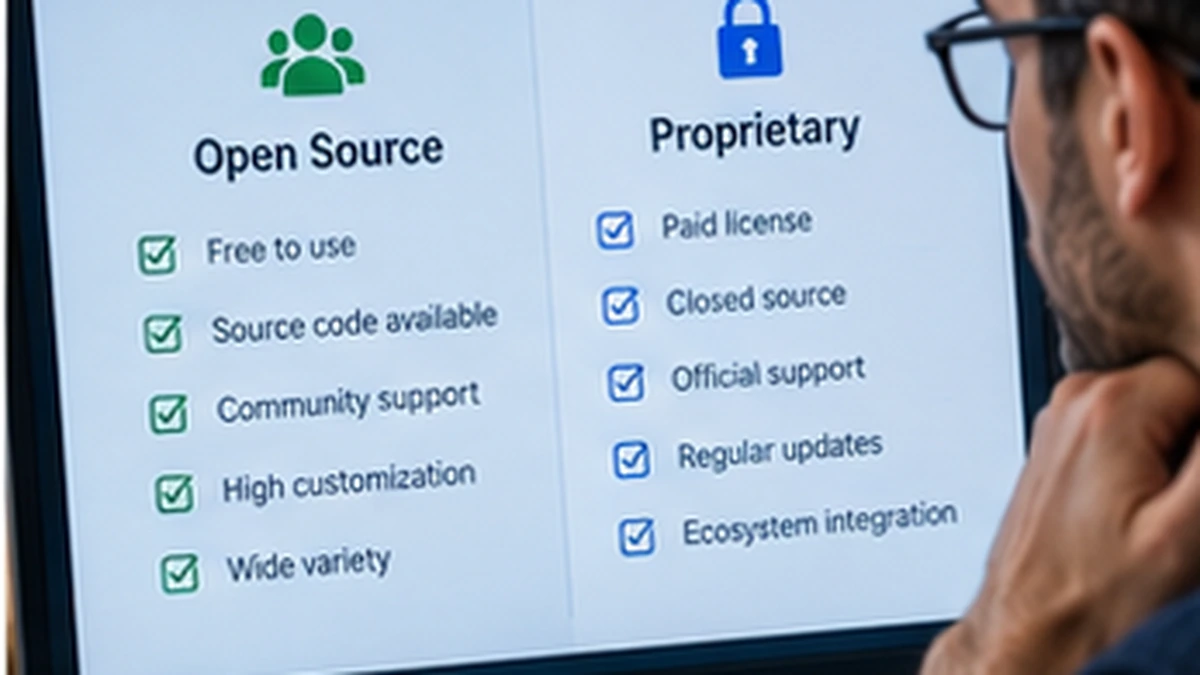
  • How to Uninstall Software Cleanly Without Deleting Important Files

    How to Uninstall Software Cleanly Without Deleting Important Files

    Uninstall software cleanly is easier to manage when software decisions are treated as part of system maintenance rather than as one-click installation. Programs interact with operating systems, files, accounts, permissions, hardware, updates, and other software, so one small change can affect stability, privacy, and compatibility.

    This guide explains uninstall software cleanly in practical language for everyday users. The examples are general and may differ between Windows, macOS, Linux, mobile platforms, and individual publishers, so use the official documentation for the software and operating system you actually use.

    Uninstall software cleanly by identifying app data

    Before removing a program, locate documents, projects, presets, local databases, game saves, templates, plug-ins, and configuration files you may want later.

    For uninstall software cleanly, apply this point to one real program on your device. Record the publisher, version, operating system, source, and the setting or file involved. This turns the idea into a repeatable software check instead of relying on memory. Section review 1.

    Close the application first

    Open files and background processes can block removal or leave components active. Quit the main program and related helper tools where practical.

    For uninstall software cleanly, apply this point to one real program on your device. Record the publisher, version, operating system, source, and the setting or file involved. This turns the idea into a repeatable software check instead of relying on memory. Section review 2.

    Use the official uninstall method

    Operating-system app settings, the publisher uninstaller, or the app removal tool are safer than manually deleting random program folders.

    For uninstall software cleanly, apply this point to one real program on your device. Record the publisher, version, operating system, source, and the setting or file involved. This turns the idea into a repeatable software check instead of relying on memory. Section review 3.

    Do not assume uninstalling deletes personal documents

    Apple notes that deleting an app does not necessarily remove documents created with it. Other platforms behave similarly depending on file location.

    For uninstall software cleanly, apply this point to one real program on your device. Record the publisher, version, operating system, source, and the setting or file involved. This turns the idea into a repeatable software check instead of relying on memory. Section review 4.

    Subscriptions must be cancelled separately

    Removing software from a device does not automatically cancel every paid subscription. Check the billing account or app store separately.

    For uninstall software cleanly, apply this point to one real program on your device. Record the publisher, version, operating system, source, and the setting or file involved. This turns the idea into a repeatable software check instead of relying on memory. Section review 5.

    Back up reusable settings

    Keyboard shortcuts, presets, templates, browser profiles, saved connections, and project libraries can be valuable when reinstalling later.

    For uninstall software cleanly, apply this point to one real program on your device. Record the publisher, version, operating system, source, and the setting or file involved. This turns the idea into a repeatable software check instead of relying on memory. Section review 6.

    Remove plug-ins and helper services carefully

    Some programs install extensions, drivers, startup items, or background services. Use the vendor documented steps when these components matter.

    For uninstall software cleanly, apply this point to one real program on your device. Record the publisher, version, operating system, source, and the setting or file involved. This turns the idea into a repeatable software check instead of relying on memory. Section review 7.

    Restart when the uninstaller requests it

    A restart can release locked files and complete removal of services or drivers.

    For uninstall software cleanly, apply this point to one real program on your device. Record the publisher, version, operating system, source, and the setting or file involved. This turns the idea into a repeatable software check instead of relying on memory. Section review 8.

    Confirm file associations after uninstalling

    Removing a default reader, player, editor, or archive tool can change which application opens certain file types.

    For uninstall software cleanly, apply this point to one real program on your device. Record the publisher, version, operating system, source, and the setting or file involved. This turns the idea into a repeatable software check instead of relying on memory. Section review 9.

    Keep reinstall information if you may return

    Save the official download page, license details, account access, and required activation information before removal.

    For uninstall software cleanly, apply this point to one real program on your device. Record the publisher, version, operating system, source, and the setting or file involved. This turns the idea into a repeatable software check instead of relying on memory. Section review 10.

    A deeper review for uninstall software cleanly

    Think about the full software lifecycle: where the program comes from, what it needs to run, what data it creates, how it updates, how it can be recovered, and how it can be removed. A program is easier to trust and maintain when those stages are understood before something goes wrong. Software review note 4 for uninstall software cleanly.

    Also identify the dependency that would create the biggest disruption if it failed. That could be a plug-in, account login, license server, hardware driver, project file, cloud service, or old operating-system feature. For uninstall software cleanly, protecting the most important dependency is often more useful than adding more software.

    A realistic software example

    A user installs or upgrades an important program and later discovers a compatibility or data problem. Instead of making random changes, the user checks the source, system requirements, version, recent updates, local data, and recovery options in order. The problem becomes easier to isolate because uninstall software cleanly is connected to evidence rather than guesswork.

    Connect this guide to the rest of the software site

    Read back up app data for one related software topic, and use troubleshoot software problems when the second guide helps you check compatibility, safety, installation, or recovery.

    These internal links connect the first Software batch so readers can move from installation and requirements to licensing, updates, troubleshooting, and safety without repeating the same article.

    A seven-day practice plan for uninstall software cleanly

    Day 1: choose one important program. Day 2: record its publisher, version, license, and requirements. Day 3: identify where data and settings are stored. Day 4: review the official update and uninstall process. Day 5: verify the installer or download source. Day 6: test one backup or recovery step. Day 7: write a short checklist you could use again for another program. Software review note 4 for uninstall software cleanly.

    You do not need a full week for every program. The sequence is a framework that helps you avoid skipping safety, compatibility, or recovery just because installation appears simple.

    Practical checklist

    • Purpose of uninstall software cleanly identified
    • Publisher and download source verified
    • System requirements checked
    • Permissions and dependencies reviewed
    • Important files or settings backed up
    • Update and uninstall path understood
    • License or subscription terms recorded
    • Recovery or rollback option considered

    Use the checklist to find the weakest part of your understanding of uninstall software cleanly. One missing backup, unsupported plug-in, or unverified installer can matter more than several settings you already understand.

    Frequently Asked Questions

    Should I install software from any site that offers the correct filename?

    No. Prefer the official publisher, trusted app store, or known repository. A correct-looking filename does not prove the package has not been modified.

    Do updates always make software safer?

    Updates often fix security and compatibility problems, but important workflows should still be backed up and tested because major releases can change features or plug-in support.

    Does uninstalling software remove all my data?

    Not always. Documents, profiles, subscriptions, cloud data, and settings can remain. Check the publisher removal documentation when complete cleanup matters.

    Where should I verify software information?

    Use the publisher, operating-system vendor, open-source project, or another authoritative source. Generic download pages should not replace official requirements or security guidance.

    Practical review 1 for uninstall software cleanly

    Open the software official documentation and compare it with what is actually installed on your device. Confirm version number, operating-system support, update channel, license status, and where user data is stored. If one detail is uncertain, resolve it before making a major change. Software review note 15 for uninstall software cleanly.

    Then write one failure scenario for uninstall software cleanly and the recovery step you would use. A useful software plan should answer not only how to install or use the program, but how to recover files, settings, or a working version when something fails. Software review note 1 for uninstall software cleanly.

    Practical review 2 for uninstall software cleanly

    Open the software official documentation and compare it with what is actually installed on your device. Confirm version number, operating-system support, update channel, license status, and where user data is stored. If one detail is uncertain, resolve it before making a major change. Software review note 16 for uninstall software cleanly.

    Then write one failure scenario for uninstall software cleanly and the recovery step you would use. A useful software plan should answer not only how to install or use the program, but how to recover files, settings, or a working version when something fails. Software review note 2 for uninstall software cleanly.

    Practical review 3 for uninstall software cleanly

    Open the software official documentation and compare it with what is actually installed on your device. Confirm version number, operating-system support, update channel, license status, and where user data is stored. If one detail is uncertain, resolve it before making a major change. Software review note 17 for uninstall software cleanly.

    Then write one failure scenario for uninstall software cleanly and the recovery step you would use. A useful software plan should answer not only how to install or use the program, but how to recover files, settings, or a working version when something fails. Software review note 3 for uninstall software cleanly.

    Practical review 4 for uninstall software cleanly

    Open the software official documentation and compare it with what is actually installed on your device. Confirm version number, operating-system support, update channel, license status, and where user data is stored. If one detail is uncertain, resolve it before making a major change. Software review note 18 for uninstall software cleanly.

    Then write one failure scenario for uninstall software cleanly and the recovery step you would use. A useful software plan should answer not only how to install or use the program, but how to recover files, settings, or a working version when something fails. Software review note 4 for uninstall software cleanly.

    Practical review 5 for uninstall software cleanly

    Open the software official documentation and compare it with what is actually installed on your device. Confirm version number, operating-system support, update channel, license status, and where user data is stored. If one detail is uncertain, resolve it before making a major change. Software review note 19 for uninstall software cleanly.

    Then write one failure scenario for uninstall software cleanly and the recovery step you would use. A useful software plan should answer not only how to install or use the program, but how to recover files, settings, or a working version when something fails. Software review note 5 for uninstall software cleanly.

    Authoritative resource to review

    For an authoritative reference related to this topic, review Apple Support – Uninstall Apps on Your Mac. Use the source for the core principle, then follow the documentation for your exact software version and operating system.

    Final perspective

    Uninstall software cleanly becomes easier when software is treated as a maintained system rather than a disposable download. Verify the source, understand compatibility, protect important data, and keep a recovery path. Those habits reduce both security risk and wasted troubleshooting time.

  • Open Source vs Proprietary Software: What Is the Difference?

    Open Source vs Proprietary Software: What Is the Difference?

    Open source vs proprietary software is easier to manage when software decisions are treated as part of system maintenance rather than as one-click installation. Programs interact with operating systems, files, accounts, permissions, hardware, updates, and other software, so one small change can affect stability, privacy, and compatibility.

    This guide explains open source vs proprietary software in practical language for everyday users. The examples are general and may differ between Windows, macOS, Linux, mobile platforms, and individual publishers, so use the official documentation for the software and operating system you actually use.

    Open source vs proprietary software starts with licensing rights

    Open-source software uses a license that grants rights defined by the Open Source Definition, including access to source code and freedoms related to redistribution and modification.

    For open source vs proprietary software, apply this point to one real program on your device. Record the publisher, version, operating system, source, and the setting or file involved. This turns the idea into a repeatable software check instead of relying on memory. Section review 1.

    Source availability alone does not automatically mean open source

    OSI explains that open source is defined by license terms, not simply by whether code can be viewed.

    For open source vs proprietary software, apply this point to one real program on your device. Record the publisher, version, operating system, source, and the setting or file involved. This turns the idea into a repeatable software check instead of relying on memory. Section review 2.

    Proprietary software usually keeps source and modification rights restricted

    Commercial proprietary products commonly provide a right to use the program while keeping source code and redistribution rights with the publisher.

    For open source vs proprietary software, apply this point to one real program on your device. Record the publisher, version, operating system, source, and the setting or file involved. This turns the idea into a repeatable software check instead of relying on memory. Section review 3.

    Both models can be free of charge or paid

    Open source does not mean zero cost, and proprietary software is not always paid. Price and licensing model are separate questions.

    For open source vs proprietary software, apply this point to one real program on your device. Record the publisher, version, operating system, source, and the setting or file involved. This turns the idea into a repeatable software check instead of relying on memory. Section review 4.

    Support can come from different places

    Proprietary software may include vendor support, while open-source projects may use community forums, maintainers, commercial support companies, or a mixture.

    For open source vs proprietary software, apply this point to one real program on your device. Record the publisher, version, operating system, source, and the setting or file involved. This turns the idea into a repeatable software check instead of relying on memory. Section review 5.

    Updates and long-term maintenance vary by project

    A famous open-source project can have excellent maintenance while a small one can become abandoned. Proprietary products can also be discontinued.

    For open source vs proprietary software, apply this point to one real program on your device. Record the publisher, version, operating system, source, and the setting or file involved. This turns the idea into a repeatable software check instead of relying on memory. Section review 6.

    Customization is a major difference

    Open-source licenses can allow modification and redistribution under their terms, which can matter to developers and organizations.

    For open source vs proprietary software, apply this point to one real program on your device. Record the publisher, version, operating system, source, and the setting or file involved. This turns the idea into a repeatable software check instead of relying on memory. Section review 7.

    Compatibility can matter more than philosophy

    A workflow may depend on a file format, plug-in, vendor, operating system, or collaboration requirement.

    For open source vs proprietary software, apply this point to one real program on your device. Record the publisher, version, operating system, source, and the setting or file involved. This turns the idea into a repeatable software check instead of relying on memory. Section review 8.

    Privacy and telemetry should be checked in both models

    Source availability can improve transparency, but users still need to understand builds, permissions, network behavior, and the project or vendor they trust.

    For open source vs proprietary software, apply this point to one real program on your device. Record the publisher, version, operating system, source, and the setting or file involved. This turns the idea into a repeatable software check instead of relying on memory. Section review 9.

    Choose based on rights, support, compatibility, and risk

    Compare the license, maintenance, ecosystem, data handling, support model, migration options, and total cost instead of treating one model as automatically better.

    For open source vs proprietary software, apply this point to one real program on your device. Record the publisher, version, operating system, source, and the setting or file involved. This turns the idea into a repeatable software check instead of relying on memory. Section review 10.

    A deeper review for open source vs proprietary software

    Think about the full software lifecycle: where the program comes from, what it needs to run, what data it creates, how it updates, how it can be recovered, and how it can be removed. A program is easier to trust and maintain when those stages are understood before something goes wrong. Software review note 5 for open source vs proprietary software.

    Also identify the dependency that would create the biggest disruption if it failed. That could be a plug-in, account login, license server, hardware driver, project file, cloud service, or old operating-system feature. For open source vs proprietary software, protecting the most important dependency is often more useful than adding more software.

    A realistic software example

    A user installs or upgrades an important program and later discovers a compatibility or data problem. Instead of making random changes, the user checks the source, system requirements, version, recent updates, local data, and recovery options in order. The problem becomes easier to isolate because open source vs proprietary software is connected to evidence rather than guesswork.

    Connect this guide to the rest of the software site

    Read software license types for one related software topic, and use choose software safely when the second guide helps you check compatibility, safety, installation, or recovery.

    These internal links connect the first Software batch so readers can move from installation and requirements to licensing, updates, troubleshooting, and safety without repeating the same article.

    A seven-day practice plan for open source vs proprietary software

    Day 1: choose one important program. Day 2: record its publisher, version, license, and requirements. Day 3: identify where data and settings are stored. Day 4: review the official update and uninstall process. Day 5: verify the installer or download source. Day 6: test one backup or recovery step. Day 7: write a short checklist you could use again for another program. Software review note 5 for open source vs proprietary software.

    You do not need a full week for every program. The sequence is a framework that helps you avoid skipping safety, compatibility, or recovery just because installation appears simple.

    Practical checklist

    • Purpose of open source vs proprietary software identified
    • Publisher and download source verified
    • System requirements checked
    • Permissions and dependencies reviewed
    • Important files or settings backed up
    • Update and uninstall path understood
    • License or subscription terms recorded
    • Recovery or rollback option considered

    Use the checklist to find the weakest part of your understanding of open source vs proprietary software. One missing backup, unsupported plug-in, or unverified installer can matter more than several settings you already understand.

    Frequently Asked Questions

    Should I install software from any site that offers the correct filename?

    No. Prefer the official publisher, trusted app store, or known repository. A correct-looking filename does not prove the package has not been modified.

    Do updates always make software safer?

    Updates often fix security and compatibility problems, but important workflows should still be backed up and tested because major releases can change features or plug-in support.

    Does uninstalling software remove all my data?

    Not always. Documents, profiles, subscriptions, cloud data, and settings can remain. Check the publisher removal documentation when complete cleanup matters.

    Where should I verify software information?

    Use the publisher, operating-system vendor, open-source project, or another authoritative source. Generic download pages should not replace official requirements or security guidance.

    Practical review 1 for open source vs proprietary software

    Open the software official documentation and compare it with what is actually installed on your device. Confirm version number, operating-system support, update channel, license status, and where user data is stored. If one detail is uncertain, resolve it before making a major change. Software review note 20 for open source vs proprietary software.

    Then write one failure scenario for open source vs proprietary software and the recovery step you would use. A useful software plan should answer not only how to install or use the program, but how to recover files, settings, or a working version when something fails. Software review note 1 for open source vs proprietary software.

    Practical review 2 for open source vs proprietary software

    Open the software official documentation and compare it with what is actually installed on your device. Confirm version number, operating-system support, update channel, license status, and where user data is stored. If one detail is uncertain, resolve it before making a major change. Software review note 21 for open source vs proprietary software.

    Then write one failure scenario for open source vs proprietary software and the recovery step you would use. A useful software plan should answer not only how to install or use the program, but how to recover files, settings, or a working version when something fails. Software review note 2 for open source vs proprietary software.

    Practical review 3 for open source vs proprietary software

    Open the software official documentation and compare it with what is actually installed on your device. Confirm version number, operating-system support, update channel, license status, and where user data is stored. If one detail is uncertain, resolve it before making a major change. Software review note 22 for open source vs proprietary software.

    Then write one failure scenario for open source vs proprietary software and the recovery step you would use. A useful software plan should answer not only how to install or use the program, but how to recover files, settings, or a working version when something fails. Software review note 3 for open source vs proprietary software.

    Practical review 4 for open source vs proprietary software

    Open the software official documentation and compare it with what is actually installed on your device. Confirm version number, operating-system support, update channel, license status, and where user data is stored. If one detail is uncertain, resolve it before making a major change. Software review note 23 for open source vs proprietary software.

    Then write one failure scenario for open source vs proprietary software and the recovery step you would use. A useful software plan should answer not only how to install or use the program, but how to recover files, settings, or a working version when something fails. Software review note 4 for open source vs proprietary software.

    Authoritative resource to review

    For an authoritative reference related to this topic, review Open Source Initiative – The Open Source Definition. Use the source for the core principle, then follow the documentation for your exact software version and operating system.

    Final perspective

    Open source vs proprietary software becomes easier when software is treated as a maintained system rather than a disposable download. Verify the source, understand compatibility, protect important data, and keep a recovery path. Those habits reduce both security risk and wasted troubleshooting time.